

Is Courier Parcel Service A Natural Monopoly
The delivery last mile: a natural monopoly?
xi October 2021
Today the postman and ii delivery vans came to my door.
We all practise information technology. Online dwelling house deliveries are very efficient. A couple of clicks and it arrives the side by side day or fifty-fifty in a couple of hours. Remarkable levels of arrangement and development brand this all happen.
The home delivery and logistics sector is booming, driving up traffic on all roads. The haulage industry with depression margins, stiff competition, depression-entry barriers for new entrants and ultra-demanding customers is already efficient. While the current commuter shortage may bulldoze up wages, van deliveries seem to attract a broad range of people – with no special licence required it can exist good gig economy piece of work for some.
What would be actually interesting to know is the behaviour of people who accept home deliveries? My ain habits tell me nothing of anyone else's. We accept a Tesco delivery virtually once a fortnight and then walk or bicycle to local shops to top up. However, what do you do? Do you still drive to the supermarket and shops? Does that van commitment genuinely supercede a motorcar trip? At that place must be some valuable insight out at that place.
Saving on fuel helps to relieve the planet – a cold engine or idle vehicle is not good for anyone! Making the most of every truck and van mile is common sense so many carriers at present share loads. The chances of empty trucks moving around is minimised with fuel and labour costs saved.
The Government'due south Transport decarbonisation plan (TDP) and like aspirations in Scotland, Wales, London and elsewhere, have ambitious targets. But improving air quality and encouraging agile travel and public transport will require significant behaviour changes for road users and passengers.
Bus speeds in many parts of the country are on the decline and increased traffic levels are clogging up roads intended for far less traffic. We know from our insight work that the reliability of public transport is a key element in keeping existing passengers happy whilst attracting new ones.
Slower buses feed a roughshod circle. More buses are needed to maintain frequency and traffic slows even more. Prices must become upward. Passengers drift away.
How to suspension this? Well, managing traffic levels and boosting space for buses volition help. Air quality measures such as Birmingham'due south Transformative Transport Plan will make some divergence to traffic levels, at to the lowest degree in the short term. The London Congestion Charge has thinned traffic and Nottingham's workplace car park levy has helped besides. What else could work?
There are some innovative schemes which is a good outset. More and more delivery cycles tin exist seen around London's streets. Last year DHL started a new service bringing parcels from Heathrow to Wandsworth Pier past road, then onto a boat through the underused Thames to Bankside Pier. The parcels would then be loaded onto electric delivery cycles to accept up to the West End.
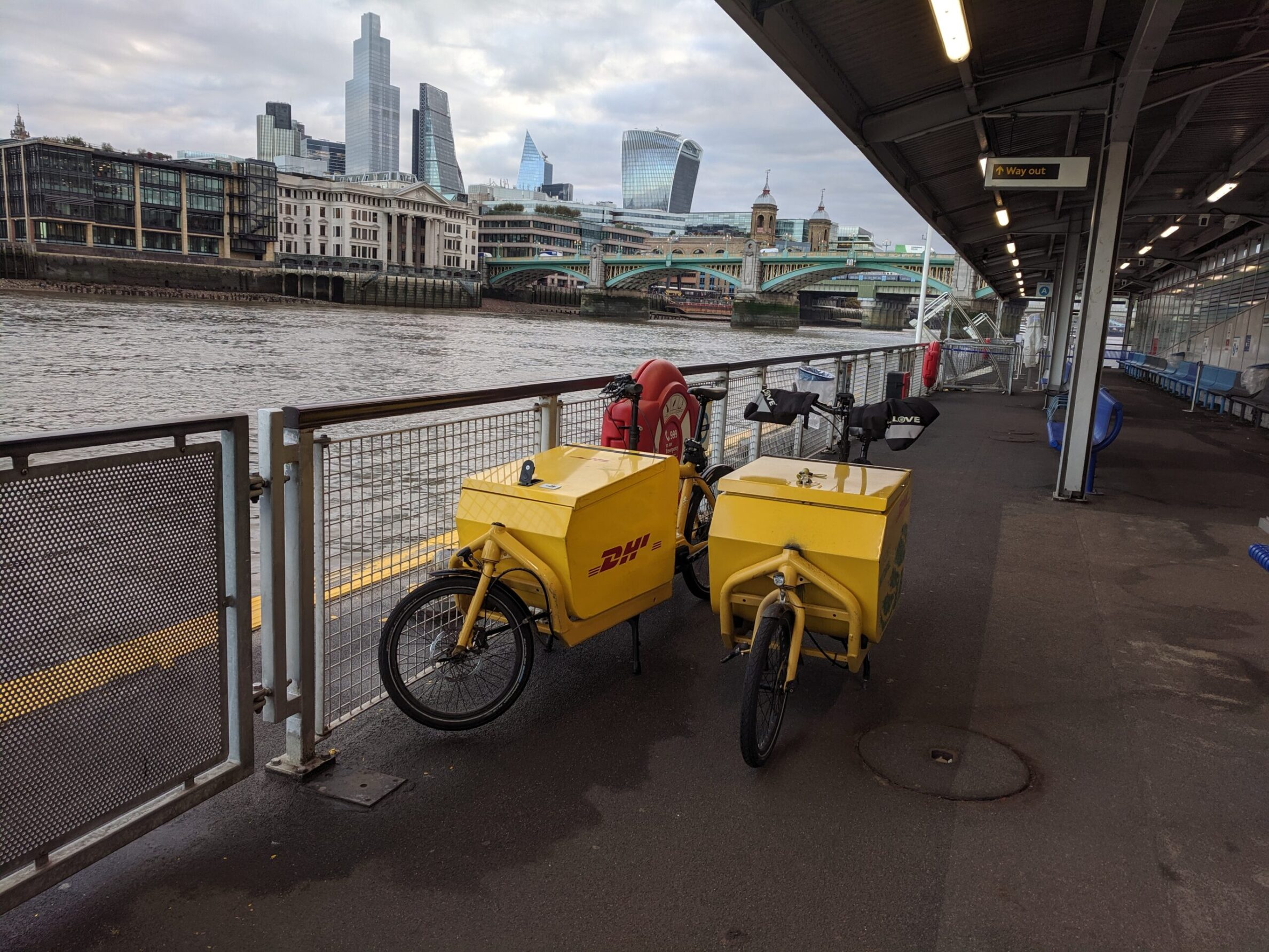
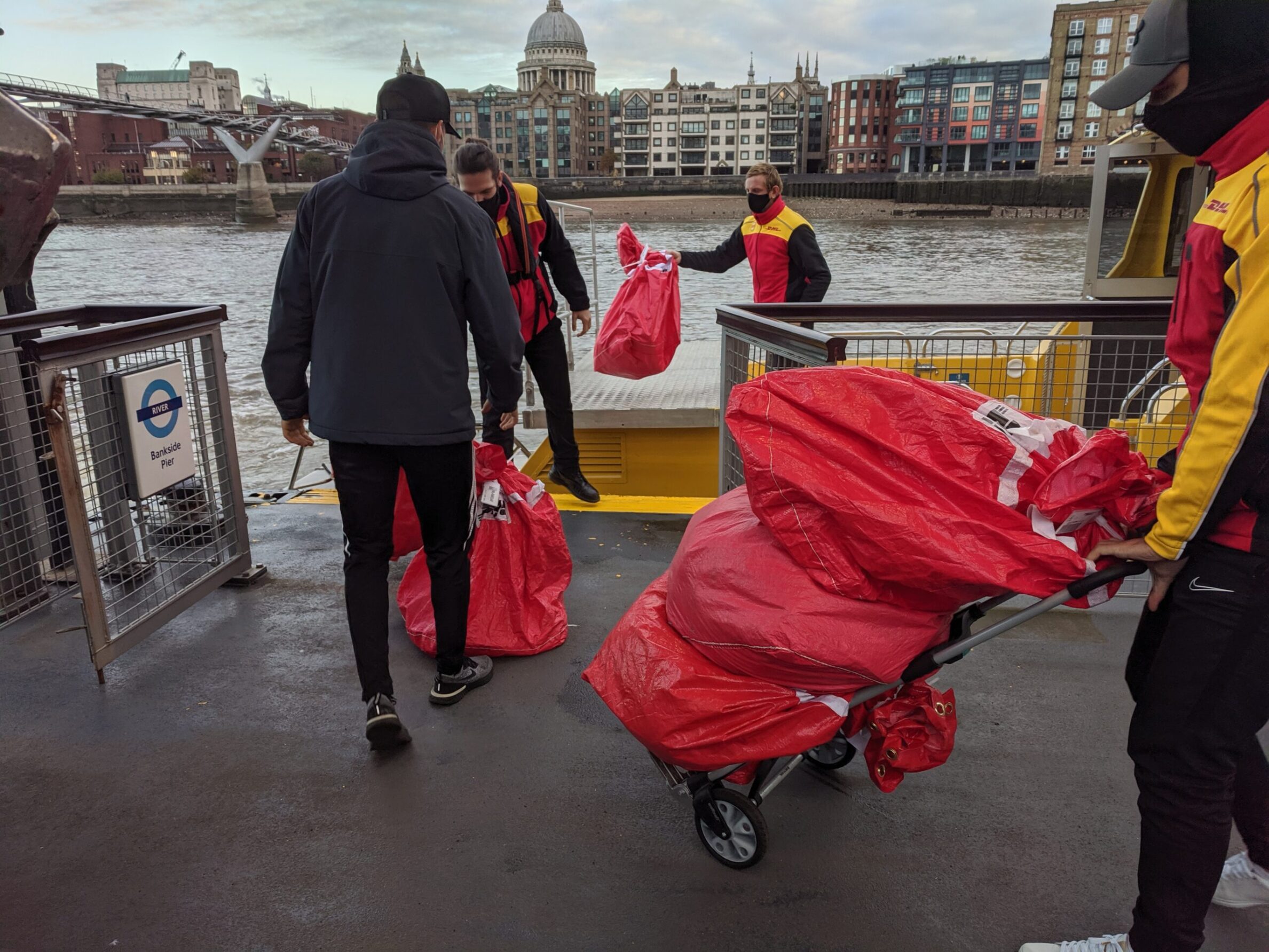
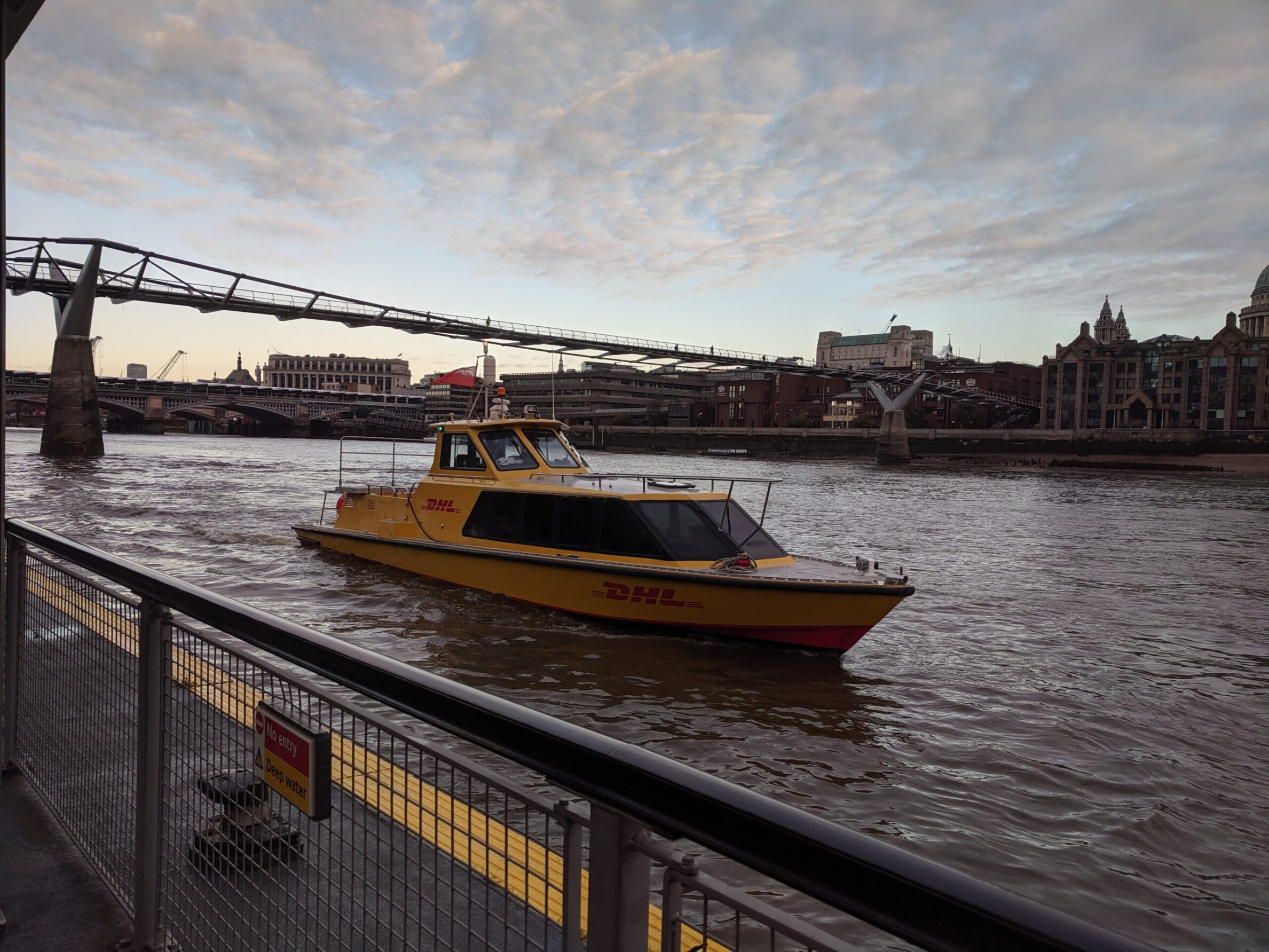
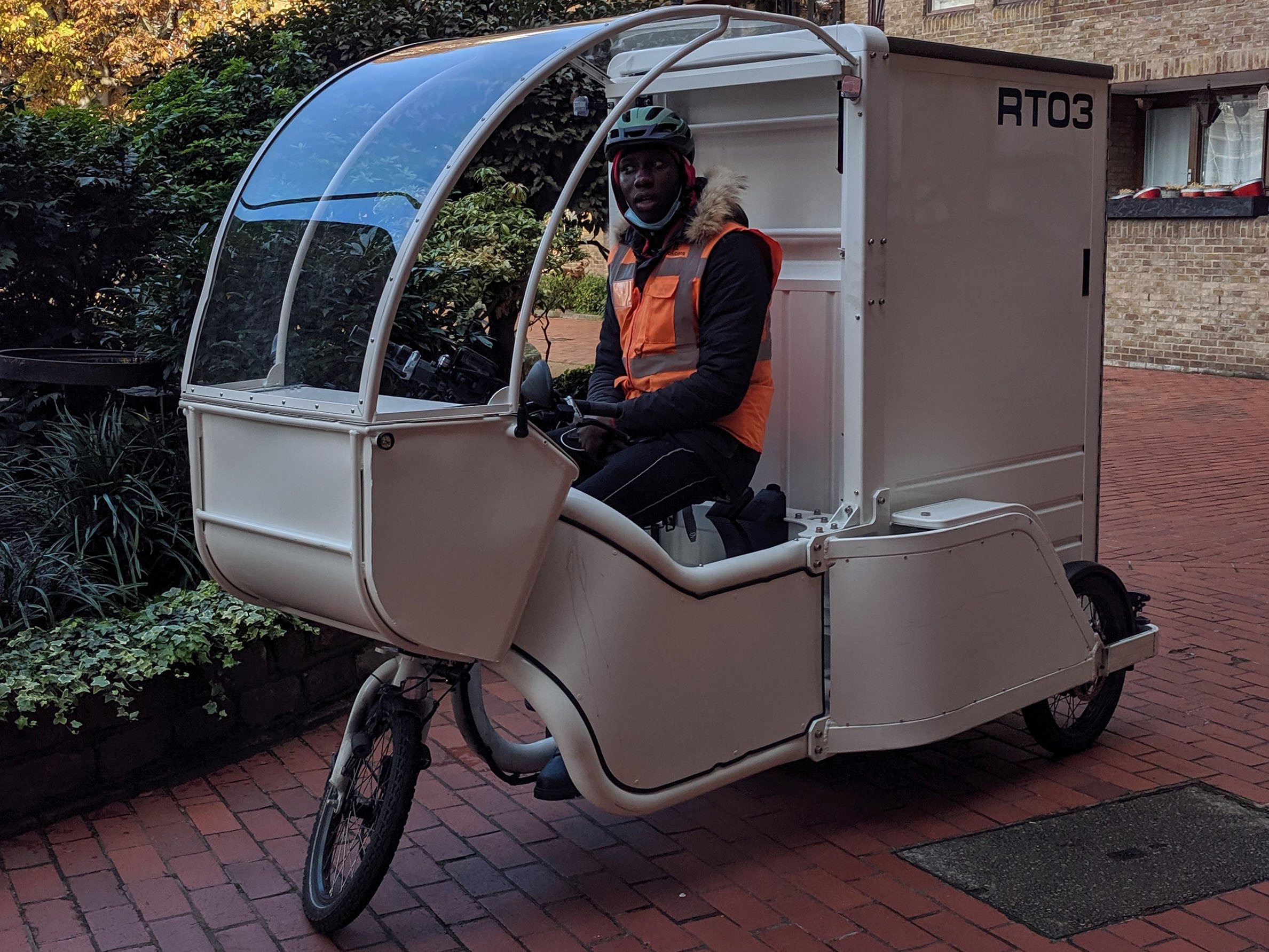
Nonetheless, are there further steps that can be taken? We know that work has already begun. The TDP [1] commits to "take forrard measures in transforming 'last-mile' deliveries". The Authorities's Foresight unit [2] and Transport for London [3] have besides looked at how to consolidate freight to make better use of the deliveries that already happen.
Why not franchise last-mile deliveries in urban areas? How many vehicle movements would this remove versus the loss of competition and the consumer and societal benefits produced?
The TDP says the Authorities will pilot some local authorities franchising certain delivery and waste management services. The Mail Part came most because the arrangement is, in essence, a natural monopoly.
A decade long franchise could incentivise private sector investment and return a premium to local authorities. Electric vehicles, remote consolidation centres where parcels tin can exist sorted, demanding customer targets and the all-time tech could drive down costs and thin traffic.
Buses could speed upwardly and have a bit more space on the roads. More passengers might use them. Wouldn't that make anybody happy?
[i] Department for Transport, 2021, Decarbonising Send, A Ameliorate, Greener Britain.
[2] Foresight, Government Office for Science, 2019, Last mile urban freight in the United kingdom of great britain and northern ireland: how and why is information technology irresolute?
[3] Send for London, 2019, Evaluation of freight consolidation demonstrator projects.

Is Courier Parcel Service A Natural Monopoly,
Source: https://www.transportfocus.org.uk/blog/the-delivery-last-mile-a-natural-monopoly/
Posted by: hopewitinithey41.blogspot.com
0 Response to "Is Courier Parcel Service A Natural Monopoly"
Post a Comment